Most of us remember til ke laddoo before we remember the recipe. A steel dabba that came out every winter. A grandmother rolling them on Makar Sankranti morning with ghee on her hands. That sweet, nutty smell in the kitchen.
A lot of families have stopped making them at home. They seem fiddly, store-bought ones are easy, and nobody wants to end up with a batch hard enough to break a tooth. But they take about twenty-five minutes, and once you know the one trick, they come out right every time.
Why it matters
Til and gud together is one of those combinations our grandparents ate for a reason. Both are warming, and both are filling in a way that biscuits and packaged sweets are not. Making them at home also means you know exactly what is in them: sesame, jaggery, a spoon of ghee, and nothing else. And honestly, the bigger reason is that your kids get to grow up with the same smell in the kitchen that you did.
The only tricky part: the gud syrup
Everything depends on how long you cook the gud. Too little, and the laddoos fall apart. Too much, and you get rock-hard chikki instead.
The old kitchen test still works best. Keep a small bowl of cold water next to the stove and drop a little syrup into it.
- If it melts away, keep cooking.
- If it forms a soft ball you can squeeze between your fingers, take the pan off the heat. It is ready.
- If it snaps, you have gone too far. Add a spoon of water, melt it again, and test again.
Keep the flame low the whole time. Gud burns fast, and burnt gud tastes bitter.
Blocks or powder?
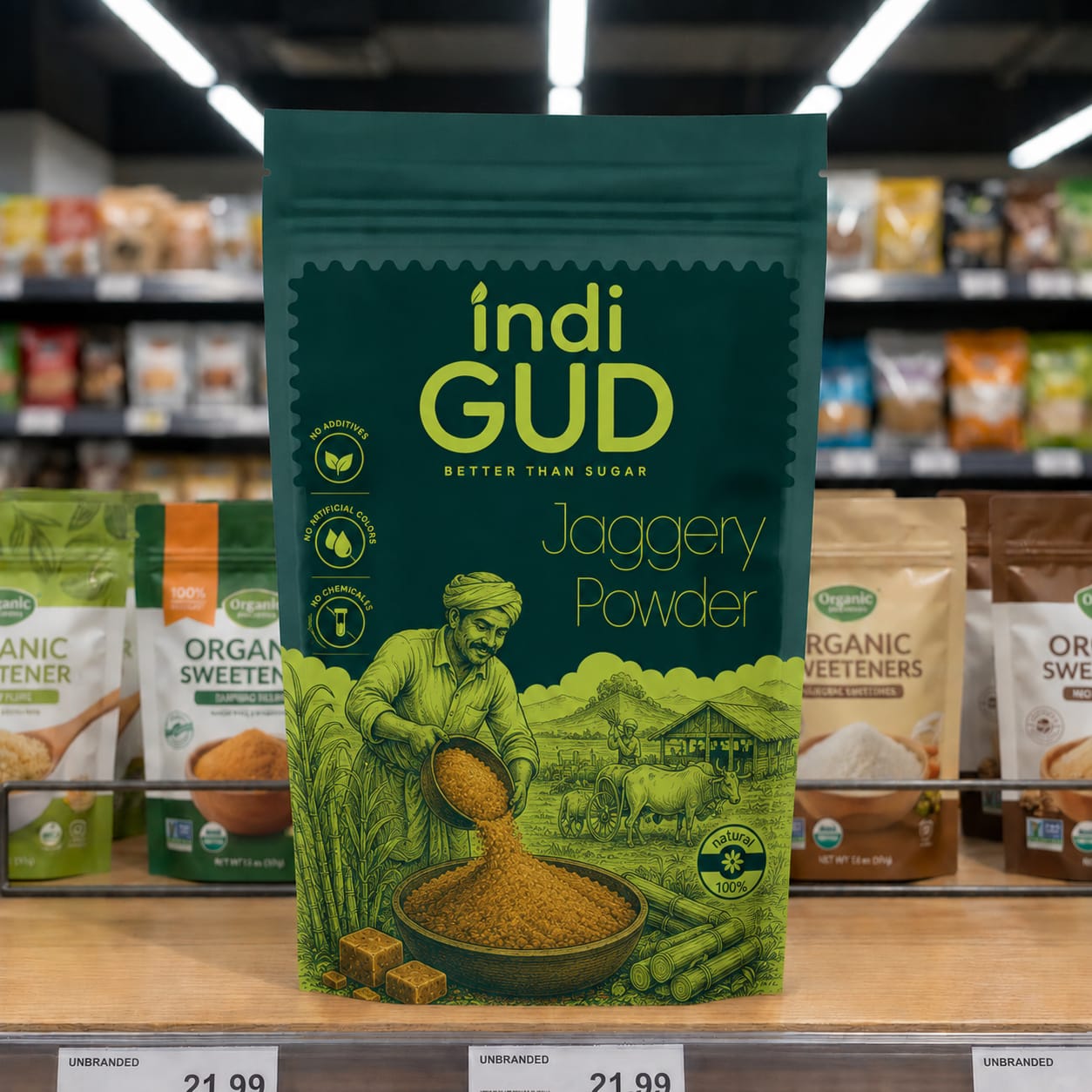
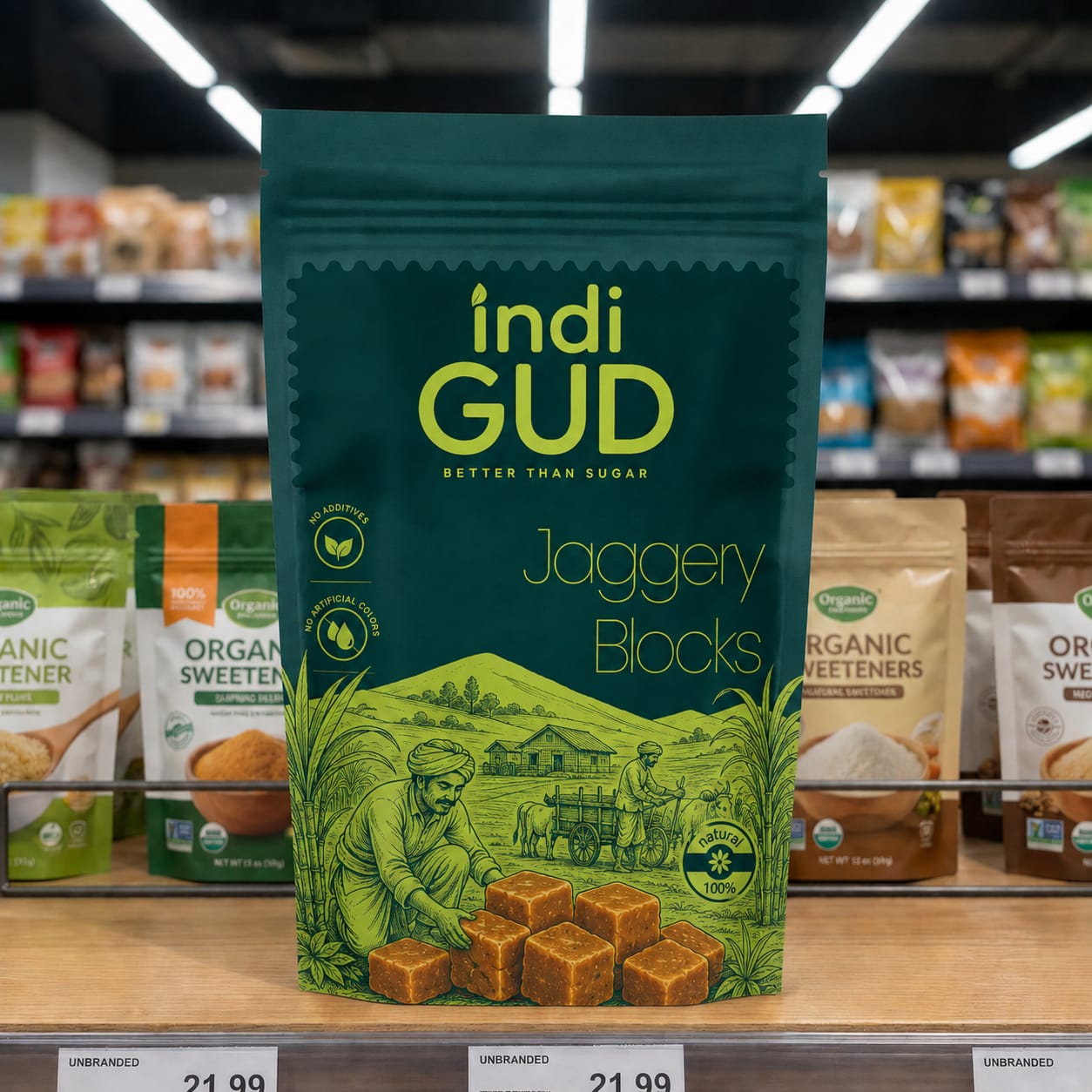
Both work. Gud blocks are the traditional choice. Just grate them first so they melt evenly. Jaggery powder melts faster and saves you the grating.
Whichever you use, pick dark, sulphur-free gud. That deep caramel taste you remember from home laddoos comes from the gud, not the sesame.
Shape them while they are warm
The mixture starts to set as it cools, so work quickly. If it gets too stiff halfway through, put the pan back on a low flame for a few seconds and carry on. A little ghee on your palms stops it from sticking.
This is also the part where everyone in the house wants to help. Let them.
Keeping them
In an airtight tin at room temperature, they stay good for two to three weeks. That is, if they last that long.